The explosion of data richness and complexity have resulted in the relatively new field of
Astroinformatics: an interdisciplinary area of research where astronomers, mathematicians and
computer scientists collaborate to solve problems in astronomy through the application of
techniques developed in data science. Classical problems in astronomy now involve
accumulation of large volumes of complex data with different formats and characteristic that
cannot be addressed using classical techniques. As a result, machine learning algorithms and data
analytic techniques have exploded in importance, often without a mature understanding of the
pitfalls in such studies.
Given the horizontal nature of SSCI, we hope to learn about methods that are applicable to astroinformatics but are not currently used, and also making CS practitioners aware of the interesting problems that complex astronomy datasets provide. We welcome original and unpublished contributions (no more than 8 pages including figures, tables and bibliography, in IEEE two-column format) that discuss new developments in efficient models for complex computer experiments and data analytic techniques which can be used in astronomical data analysis as well as related branches in physical, statistical and computational sciences.
The manuscripts should be submitted in PDF format. Click Here to know further guidelines for submission.
The symposium aims to capture the baseline, set the tempo for future research in India and abroad and prepare a scholastic primer that would serve as a standard document for future research. Scalable and fast applications to image processing, time-series analysis, deep and wide networks, as well as fusion methods are driving progress in many areas. Methodology transfer to and from astronomy as well as the advent of novel methods is seen regularly. The symposium aims to evolve and critique a set of fundamentally correct thumb rules and experiments, backed by solid mathematical theory and provide the marriage of astronomy and Machine Learning with stability and far reaching impact serving the context of specific science problems of interest to the proposers, the basis for from data to sound knowledge.Given the horizontal nature of SSCI, we hope to learn about methods that are applicable to astroinformatics but are not currently used, and also making CS practitioners aware of the interesting problems that complex astronomy datasets provide. We welcome original and unpublished contributions (no more than 8 pages including figures, tables and bibliography, in IEEE two-column format) that discuss new developments in efficient models for complex computer experiments and data analytic techniques which can be used in astronomical data analysis as well as related branches in physical, statistical and computational sciences.
Topics
Topics: Specific topics of interest include, but are not limited to:
 Exoplanets (discovery, classification etc.)
- Classification of transients (Galactic and extragalactic)
- Multi-messenger astronomy aided by Machine learning
- Deep learning in astronomy
- Gravitational Wave data analysis
- MCMC on big data
- Imaging Problems in Astronomy
- Big Data Solar Astronomy
- Statistical Machine Learning (including Bayesian methods)
- Meta-heuristic and Evolutionary Clustering methods and applications in Astronomy
- Astronomical time series analysis
- CI based interpolation methods for data fitting problems
Symposium Co-Chairs
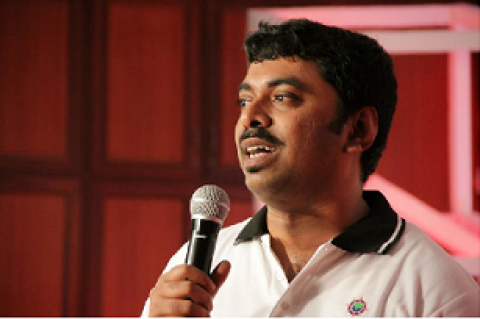
Snehanshu Saha
PES University
Email: [email protected]
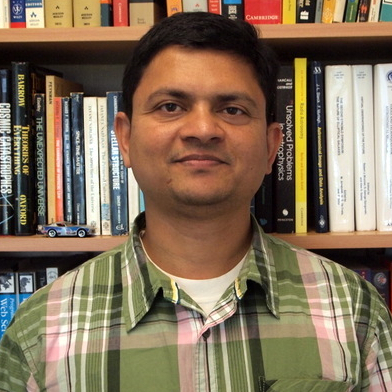
Ashish Mahabal
California Institute of Technology
Email: [email protected]
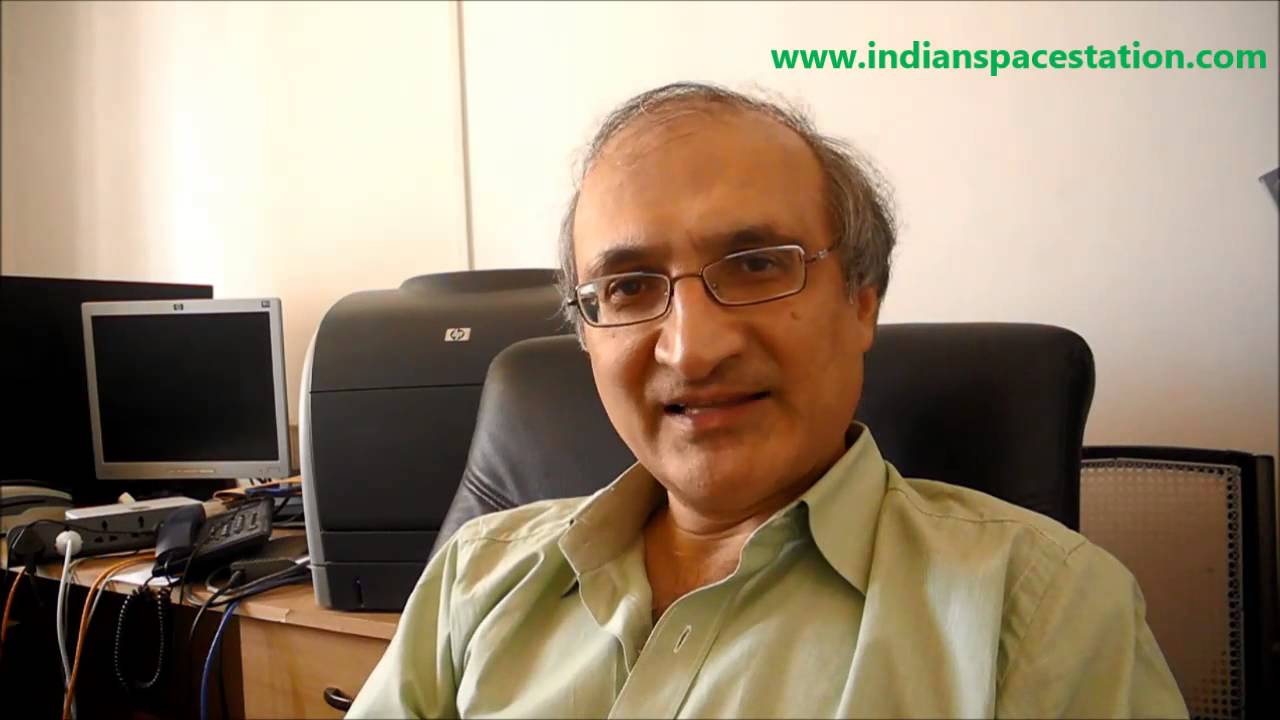
Jayant Murthy
Indian Institute of Astrophysics
Email: [email protected]
Tarun Deep Saini
Indian Institute of Science
Email: [email protected]
Program Committee
| Ajit Kembhavi | IUCAA |
| Somak Raychadhury | IUCAA |
| S George Djorgovski | Caltech |
| Harinder P. Singh | Professor, Department of Physics & Astrophysics, University of Delhi |
| N Sajeeth Philip | St. Thomas College |
| Gowri Srinivasa | PESU |
| Anand Narasimhamurthy | BITS Hyderabad |
| BS Dayasagar | ISI Bangalore |
| Saroj Meher | ISI Bangalore |
| Bhabotosh Chanda | ISI Kolkata |
| Margarita Safonova | Birla Institute for Fundamental Research |